


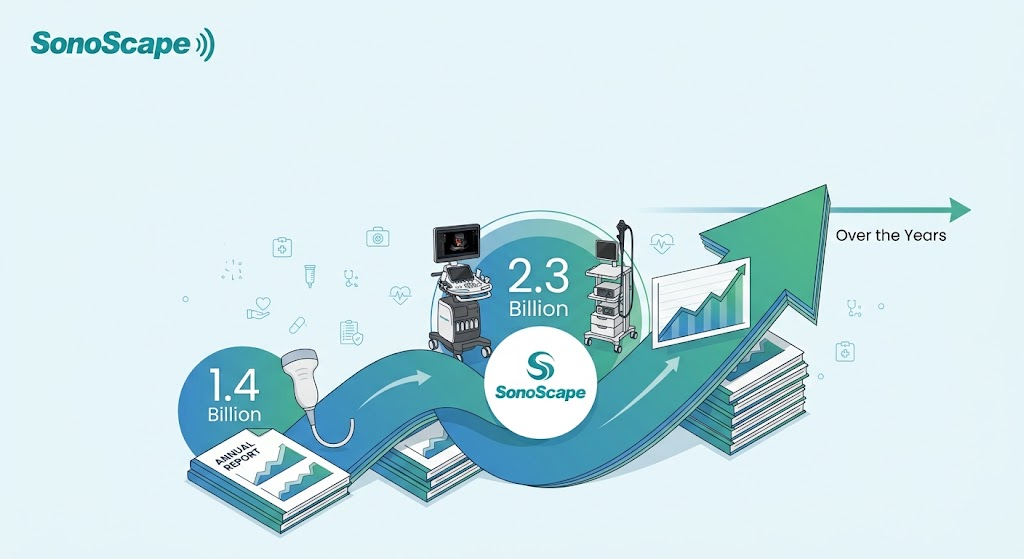
This article analyzes SonoScape Medical’s annual reports from 2021 to 2026, including its 2026 semi-annual report. SonoScape released its semi-annual report on August 21st. I believe that reviewing the data over a longer period provides a more comprehensive and objective picture, allowing me to gain more insights.
Combining the annual reports reveals a clear transformation curve for a leading domestic imaging equipment company – and two turning points (industry and endoscope) that deserve deep reflection from everyone in the endoscopy industry.
1. First, let’s look at the overall picture: a report card spanning five and a half years.
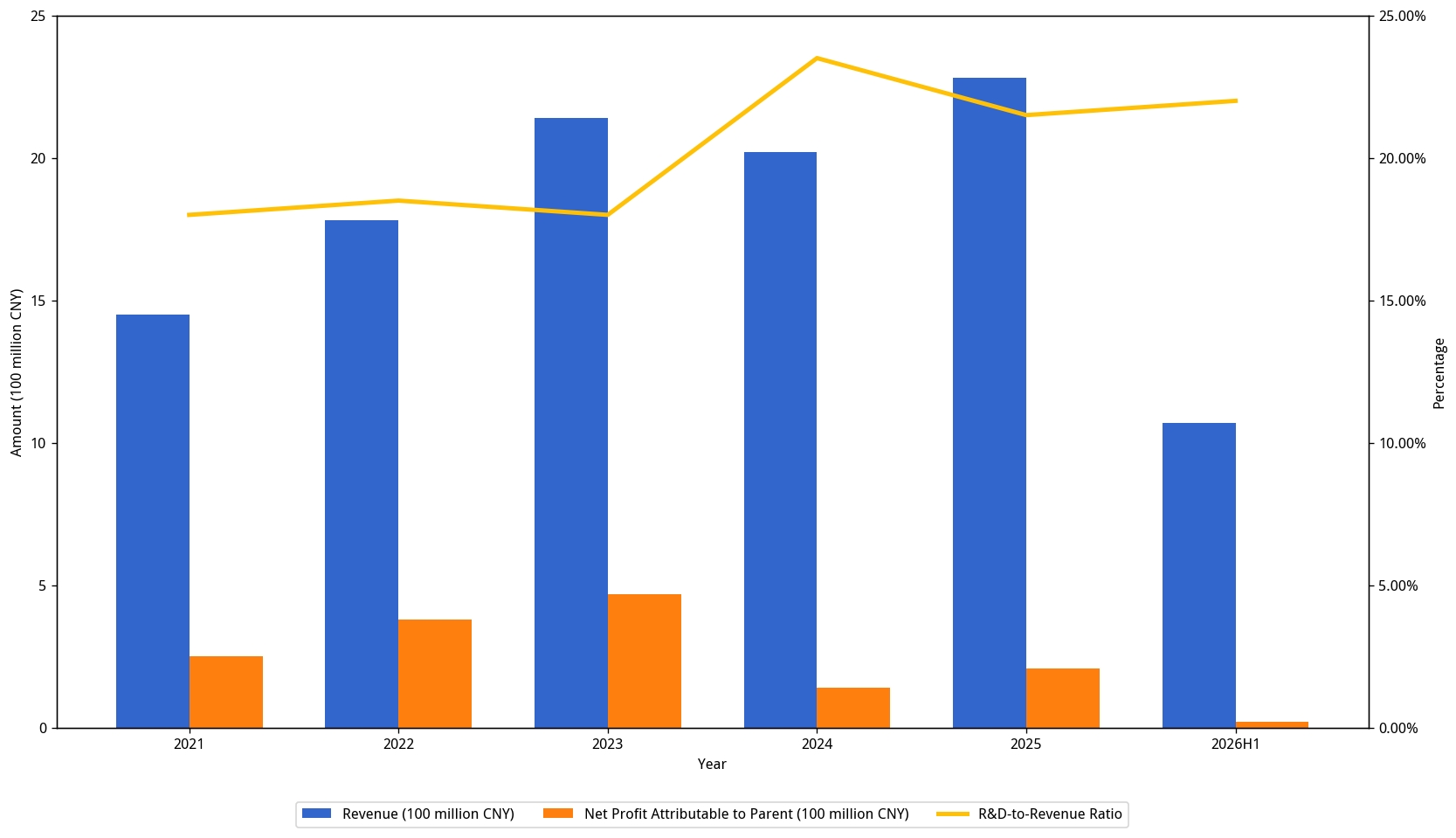
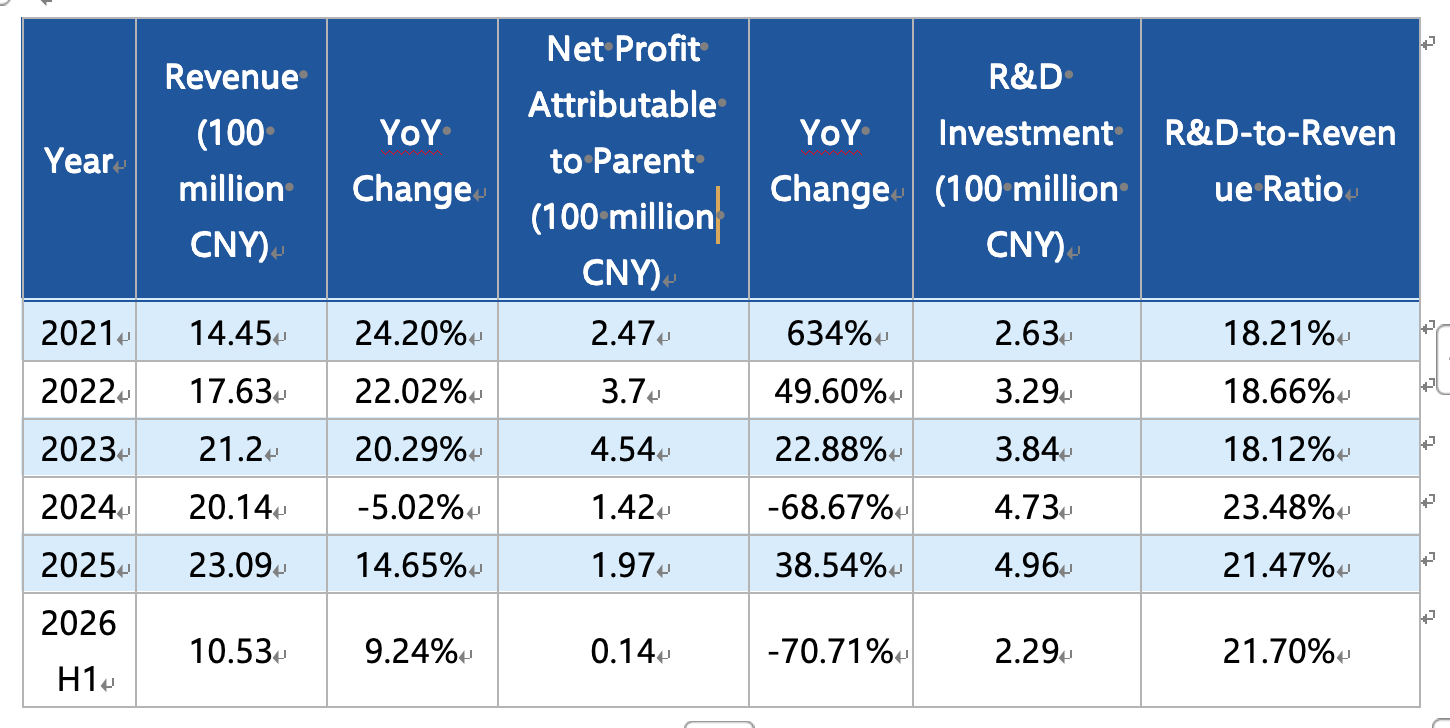
The five-year compound annual growth rate of revenue was approximately 9.8%, outperforming the annual compound growth rate of my country’s medical device industry. SonoScape’s actual operating rhythm is far more complex than the surface figures suggest.
2. Three Stages of Growth: From Rapid Advancement to Growth Shift
Phase 1 (2021-2023): Three Years of Rapid Advancement
During these three years, SonoScape Medical achieved revenue growth of over 20%, double-digit profit growth, and nearly 40% annual growth in its endoscopy business.
- 2021: Revenue of RMB 1.445 billion (+24.2%), net profit of RMB 247 million, a year-on-year increase of 634%—this dramatic increase was due to a negative profit in 2020;
- 2022: Revenue of RMB 1.763 billion (+22.0%), net profit of RMB 370 million (+49.6%);
- 2023: Revenue of RMB 2.12 billion (+20.3%), net profit of RMB 454 million (+22.9%), accelerating for the third consecutive year.
During this period: Color Doppler ultrasound saw stable annual growth of 13-20%, while endoscopes experienced a phenomenal compound annual growth rate of 24% (RMB 428 million in 2021, RMB 1.014 billion in 2025). —The strongest standard-bearer for domestically produced endoscopes replacing Olympus and Fuji. At that time, in 2023, Fuji had just launched its domestically produced endoscopes, and Olympus had just announced the start of domestic production.
Second Phase (2024): Continued Product Transformation
Revenue reached RMB 2.014 billion (-5.02%), and net profit was RMB 142 million (-68.67%). This was the first time SonoScape Medical had experienced negative revenue growth since its listing.
In other words: Medical industry consolidation led to a significant reduction in terminal bidding, resulting in a 11.62% decrease in domestic revenue; the company’s endoscope products decreased by 6.44%, color Doppler ultrasound products decreased by 3.26% year-on-year, while other business segments increased by 12.23%. In the same year, Aohua Endoscopy’s operating revenue increased by 10.54% year-on-year, while its net profit attributable to the parent company decreased by 63.68%.
However, SonoScape not only did not shrink its operations, but instead increased its R&D investment to 473 million yuan, accounting for 23.48% of its total revenue, a record high.
That year, the V15 vascular ultrasound main unit received domestic certification, and its electronic cholangioscope, electronic cystoscope, and electronic ureteroscope were approved.
Overseas business increased by 3.27%—for the first time, overseas operations became a key buffer against domestic risks.
Phase Three (2025-2026H1): Recovery and New Troubles
In 2025, revenue reached a record high of 2.309 billion (+14.65%), and profit recovered to 197 million (+38.54%). The endoscope business surpassed 1 billion for the first time, and overseas revenue exceeded 1.1 billion for the first time.
However, in the first half of 2026, the contradiction of “increased revenue but not increased profit” resurfaced: revenue reached 1.053 billion (+9.24%), but net profit was only 13.78 million (-70.71%).
The reasons this time differed from those in 2024:
- (1) Financial expenses changed from -35.07 million in the same period of the previous year to +25.15 million, with 60.22 million being eaten up by exchange rate fluctuations;
- (2) Sales expenses increased by 10.99% and were invested in new product lines;
- (3) An additional 11.28 million was lost on inventory write-downs.
Adding back the exchange losses, the actual operating profit is not as bad as it appears on the surface.
3. Five years after endoscopy: from 29.6% to 43.9%, the second curve has grown to account for half of the market.
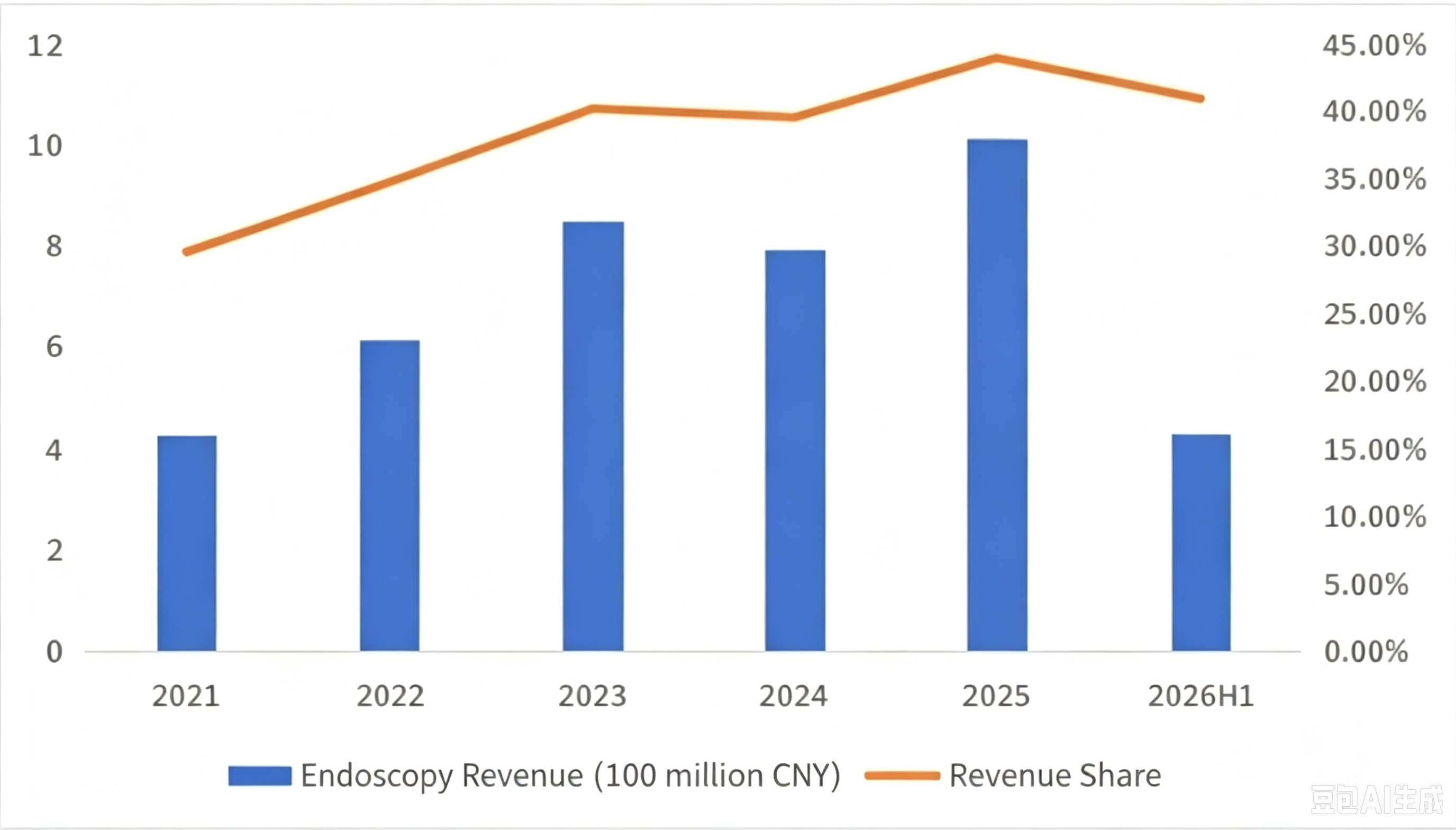
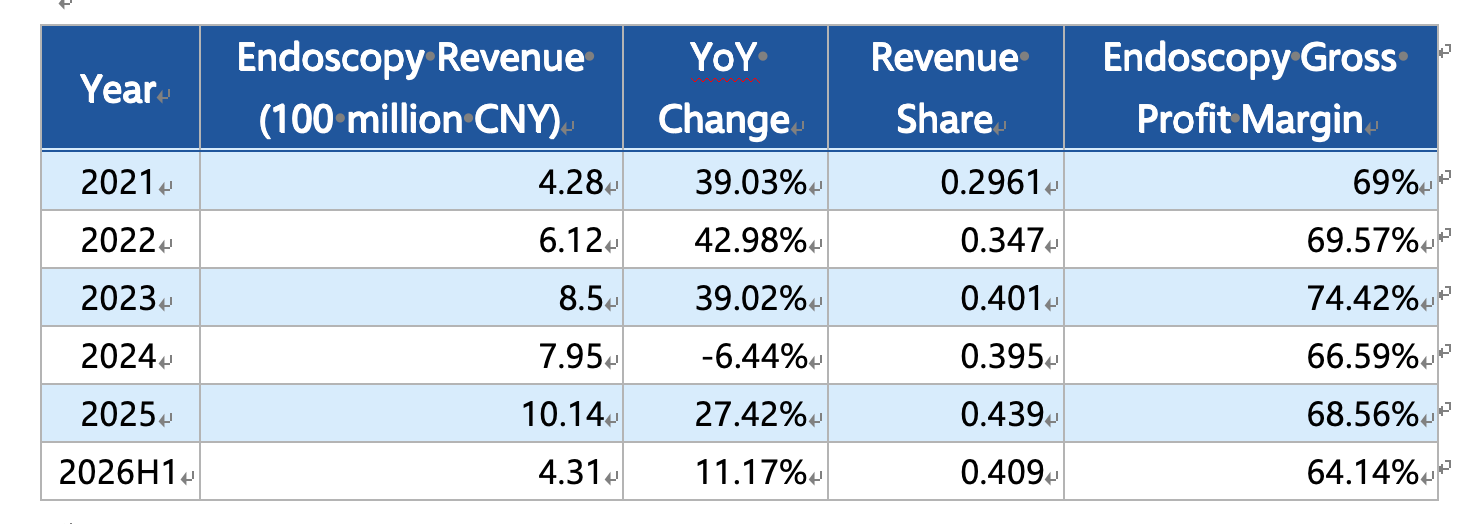
In 2025, endoscope-related revenue will surpass 1 billion RMB for the first time. In five years, endoscope revenue grew from 428 million RMB to 1.014 billion RMB, a compound annual growth rate of 24%, and its share of total revenue increased from less than 30% to nearly half. During the same period, the share of color Doppler ultrasound decreased from 65.47% to 53.56%.
Endoscopes have transitioned from a period of high growth and high gross profit to a period of medium growth and stable gross profit. The increasing penetration rate of domestically produced flexible endoscopes is the main theme, but the short-term growth rate is already deeply correlated with the procurement cycle of public/private hospitals.
4. Five years overseas: the proportion increased from 46% to 50.9%.
5. The Profit Mystery:
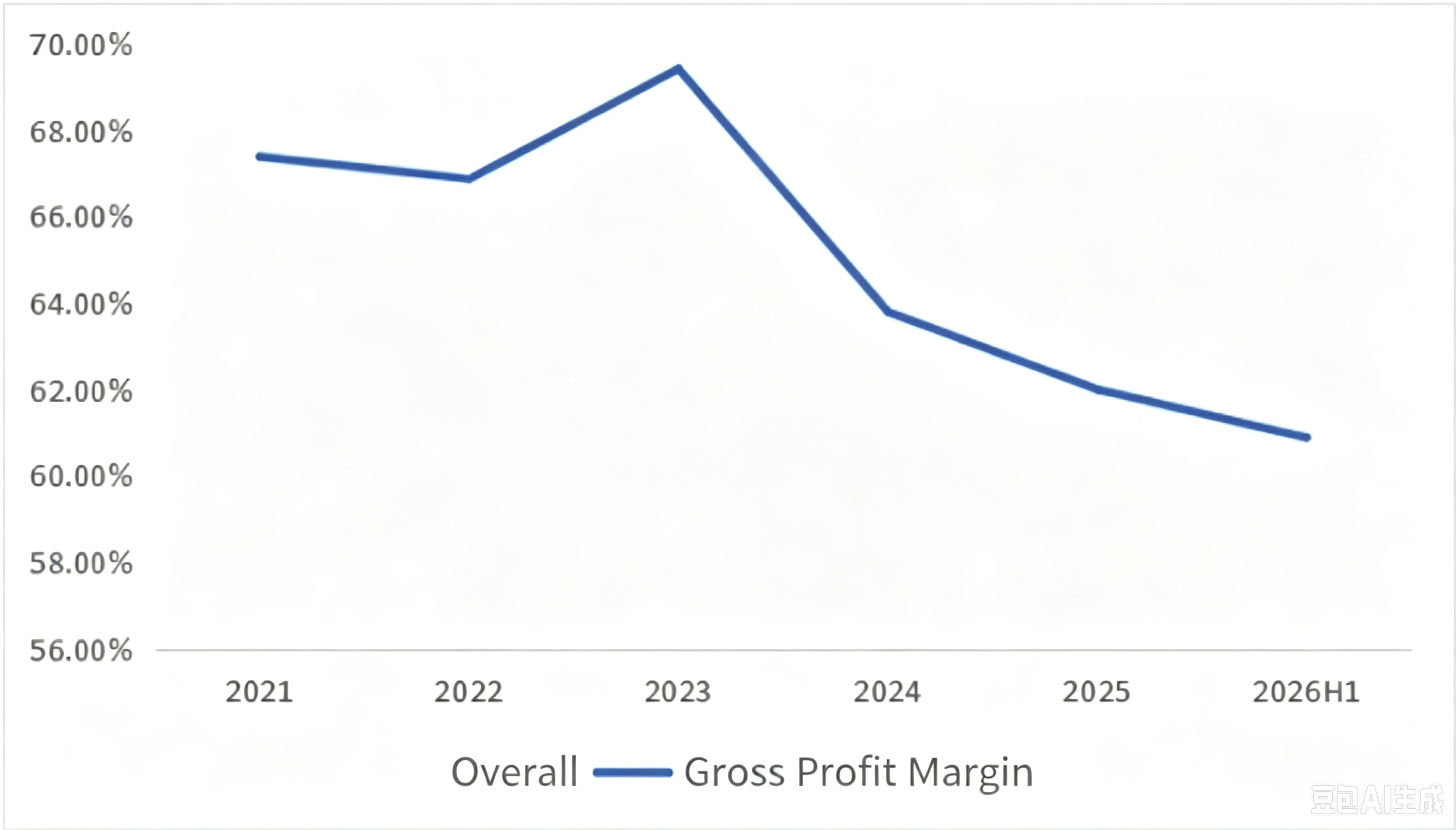
Gross profit margin dropped 8.5 percentage points in 5.5 years:
- Ultrasound gross profit margin continued to decline: from 65.88% in 2023 to 59.70% in the first half of 2026. Endoscopy gross profit margin decreased from 74.42% in 2023 to 64.14% in the first half of 2026. The decline in both is related to the broader industry context.
- Increased sales expense ratio: The two new product lines, minimally invasive surgery and IVUS, need to establish channels and seize market share. Sales expenses increased by 10.99% in the first half of 2026, growing faster than revenue.
Therefore, SonoScape Medical’s profit dilemma stems from a structural decline in gross profit margin (long-term) + upfront costs from new product lines (medium-term) + exchange rate fluctuations (short-term).
6. Four Business Lines: IVUS and Minimally Invasive Surgery Begin to Generate Revenue
Five years ago, KaiLi focused on “ultrasound + endoscopy”; its 2023 annual report stated that “a multi-product line development pattern has been initially formed”; by the first half of 2026:
Another subsidiary, Shanghai Aisheng: 2026 H1 revenue of 159 million RMB, net profit of 51.1 million RMB.
Among the new registration certificates issued in the first half of 2026, several key products deserve special attention: Electronic upper gastrointestinal endoscope (Class III), Electronic bronchial endoscope (Class III), Peripheral vascular IVUS catheter, Intracardiac ultrasound catheter (ICE).
In summary, increased revenue without increased profit is the price of transformation, not a sign of decline. How long it will take, the progress of the transformation, and the domestic and international contexts are precisely the issues we will continue to track in our next annual report.
7 Beyond the Equipment: The Rise of Domestic Endoscopic Accessories
SonoScape’s growth trajectory tells a clear story: the rise of domestic endoscopy is not only a victory for the main units, but also a victory for the entire ecosystem. From the HD 550 to the 4K iEndo smart endoscopy platform HD 650, SonoScape continues to push boundaries on the equipment side. Yet in every endoscopic procedure – biopsy, hemostasis, resection, stone retrieval – each step relies on precision single use accessories.
According to Huajing Industry Research, the global endoscopic accessories market is projected to reach USD 7.4 billion by 2026. QYR estimates that the Chinese endoscopic accessories market will grow at a CAGR of approximately 7.5% from 2026 to 2032. Driven by the expansion of digestive disease screening programs, the upgrading of minimally invasive techniques, and the widespread adoption of single use consumables, endoscopic accessories are becoming a new growth engine in China’s medical device industry.
In this context, ZRHmed (Jiangxi Zhuoruihua Medical Instrument Co., Ltd.) stands out as a noteworthy domestic player. Specializing in the R&D and production of endoscopic consumables, ZRHmed offers a comprehensive product portfolio covering the full spectrum of gastroenterology procedures:
ZRHmed’s core products have obtained MDR CE certification under the latest EU Medical Device Regulation, and the company holds ISO 13485:2016 quality management certification. Its products are now used by distributors and healthcare providers in over 30 countries across Europe, North America, Latin America, and Southeast Asia.
SonoScape completed its “equipment + accessories” strategic loop by acquiring Wilson, a domestic manufacturer of endoscopic accessories. In the broader endoscopic accessories ecosystem, ZRHmed is providing healthcare institutions worldwide with a high value, fully compatible, and cost effective accessory alternative that works seamlessly with major endoscope brands – ensuring that every endoscopic procedure is backed by reliable, domestically manufactured consumables.
Post time: Aug-28-2026