

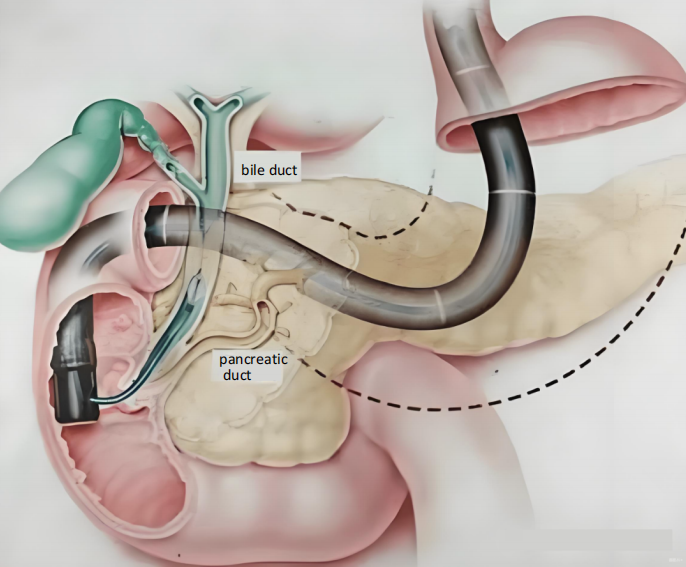
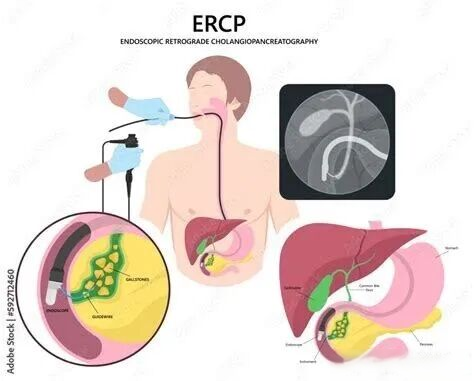
Over the past 50 years, ERCP technology has evolved from a simple diagnostic tool into a minimally invasive platform integrating diagnosis and treatment. With the introduction of new technologies such as biliary and pancreatic duct endoscopy and ultra-thin endoscopy, ERCP is gradually changing the traditional diagnosis and treatment model for biliary and pancreatic diseases. It has made significant progress in improving diagnostic accuracy, expanding the scope of indications, and reducing the risk of complications, reflecting the development trend of "medical surgery becoming more surgical and surgery becoming more minimally invasive," providing more patients with precise and efficient treatment options. However, it also faces limitations in clinical application, such as high technical thresholds and strong equipment dependence.
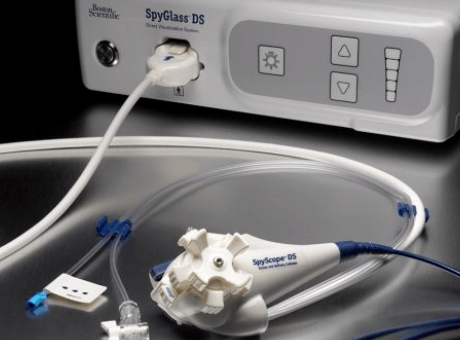
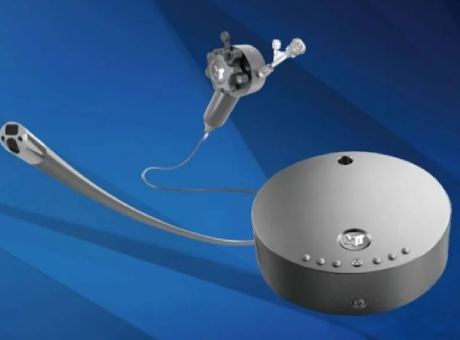
New ERCP technologies mainly fall into three categories: endoscopic systems for the bile and pancreatic ducts, ultra-thin endoscopes, and domestically developed innovative systems. Endoscopic systems such as SpyGlass and Insight-eyeMax provide direct visualization and assist in precise treatment.
Among them, the SpyGlass system has an outer catheter diameter of 9F-11F and a working channel diameter of 1.2mm or 2.0mm, enabling single-person insertion of the biliary and pancreatic duct subscope for direct visualization of the mucosa. The Insight-eyeMax system features 160,000-pixel high-definition image quality, a 120° field of view, and an ultra-slippery coating, providing a clearer and wider field of view. Ultra-thin endoscopes use a small tube diameter (usually less than 5mm) to directly enter the bile duct, but due to the complex structure of the upper gastrointestinal tract, auxiliary tools such as anchoring balloons, outer cannulas, and snares are often required. These systems have advantages in observing the bile duct mucosa and performing biopsies, but they are more difficult to operate.
 |
 |
|
SpyGlass |
Insight-eyeMax |
The core advantage of the new ERCP technology is that it has achieved a leap from indirect observation to direct diagnosis, enabling doctors to observe lesions of the bile and pancreatic duct mucosa more intuitively and to perform precise biopsies and treatments simultaneously during the diagnostic process. Its clinical value is mainly reflected in three aspects: improving diagnostic accuracy, expanding the scope of indications, and reducing the risk of complications.
In terms of improving diagnostic accuracy, cholangiopancreatography (ERCP) allows physicians to directly visualize the bile and pancreatic duct mucosa, significantly improving the ability to differentiate between benign and malignant strictures. Traditional ERCP relies on contrast agents to visualize the luminal structure, and the assessment of mucosal lesions depends on indirect signs. The sensitivity of bile duct cell brushing is only 45%-63%, and the sensitivity of tissue biopsy is only 48.1%.
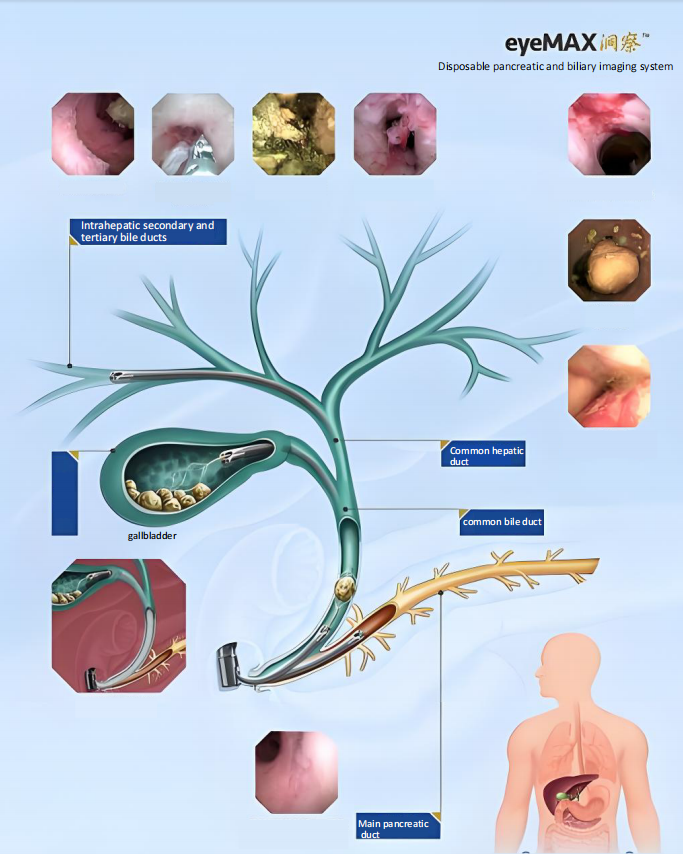
In contrast, cholangiopancreatography (CP) allows direct visualization of the mucosa, significantly improving diagnostic sensitivity. When combined with MRCP, the accuracy rate can reach 97.4%, and the diagnostic accuracy for bile duct stones >9mm in diameter is close to 100%. Regarding treatment outcomes, traditional ERCP has a high success rate for removing pancreatic duct stones <5mm in diameter, but a higher failure rate for complex stones (such as those >2cm or after gastrointestinal reconstruction). CP combined with laser lithotripsy can improve the success rate to near the level of open surgery.
In terms of expanding the scope of indications, the new technology significantly improves the success rate of ERCP in patients after gastrointestinal diversion surgery, enabling them to manage more complex biliary and pancreatic diseases. For example, in complex cases such as post-liver transplant cholangitis and pancreatic duct IPMN, biliary and pancreatic duct endoscopy can provide a clearer view, enabling precise diagnosis and treatment.
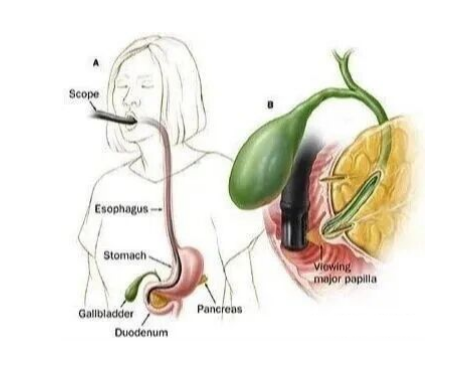
The incidence of pancreatitis after traditional ERCP is approximately 3%-10%. New techniques, through direct visualization, reduce pancreatic duct misinsertion, optimize procedures, and shorten operation time, significantly lowering the incidence of postoperative pancreatitis and other complications. In an analysis of 50 patients with high cholangiocarcinoma, the stent patency time and treatment outcomes in the transoral cholangiopancreatography (TCP) group were comparable to those in the traditional ERCP group, but the TCP group showed a significant advantage in complication rates.
The new ERCP technology still faces some limitations in clinical application. Firstly, it has a high technical threshold and is complex, requiring experienced endoscopists. Secondly, it is highly dependent on equipment, with high maintenance and operating costs, limiting its widespread adoption in primary care hospitals. Thirdly, the indications remain limited, and there is still a risk of procedure failure in certain situations. For example, in cases of severe gastrointestinal stricture (such as esophageal scarring) or complete tumor obstruction, conversion to PTCD or surgery may still be necessary.

The future development trends of new ERCP technologies mainly focus on three aspects: promotion at the grassroots level, AI integration, and the popularization of day surgery. Regarding promotion at the grassroots level, training programs and the cost advantages of domestically produced equipment will gradually improve the ERCP capabilities of primary hospitals. In terms of AI integration, real-time image recognition technology holds promise for improving diagnostic efficiency, but it faces challenges such as data standardization and model transparency, requiring further optimization.
Regarding the popularization of day surgery, the 2025 consensus promotes the inclusion of ERCP in day surgery management, enabling most patients to complete the process of hospitalization, surgery, postoperative observation, and discharge within 24 hours. This not only shortens hospital stays but also reduces medical costs and improves the efficiency of medical resource utilization. With the further maturation and popularization of the technology, ERCP is expected to be applied in more medical institutions, providing more accurate and efficient diagnosis and treatment services for more patients with biliary and pancreatic diseases.
Summary and Recommendations
ERCP, a new technology, represents a significant breakthrough in the diagnosis and treatment of biliary and pancreatic diseases. It improves diagnostic accuracy through direct visualization and precise biopsy, reduces the risk of complications by optimizing the procedure and shortening the treatment time, and benefits more patients by expanding the range of indications. However, this new technology also faces limitations in clinical application, such as high technical barriers and strong equipment dependence, requiring the support of specialized medical teams and advanced equipment. It is recommended that medical institutions strengthen ERCP training and equipment investment to improve physician skills and equipment availability. It is also recommended to select appropriate treatment methods based on the patient's condition; for complex biliary and pancreatic diseases, ERCP treatment assisted by new technologies can be considered. Furthermore, it is recommended to further optimize the performance and cost of ERCP, address the issues of generalization and transparency of AI-assisted systems, and promote the widespread adoption of ERCP in primary care hospitals.
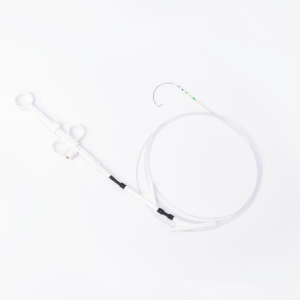
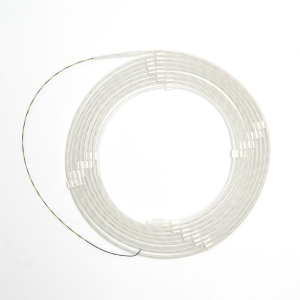
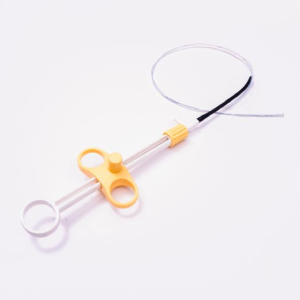
ERCP Series hot sell items from ZRHmed.
 |
 |
 |
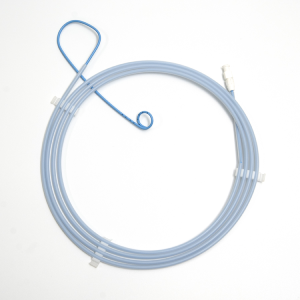 |
| Sphincterotome | Nonvascular Guidewires | Disposable Stone Retrieval Baskets | Disposable Nasobiliary Catheters |
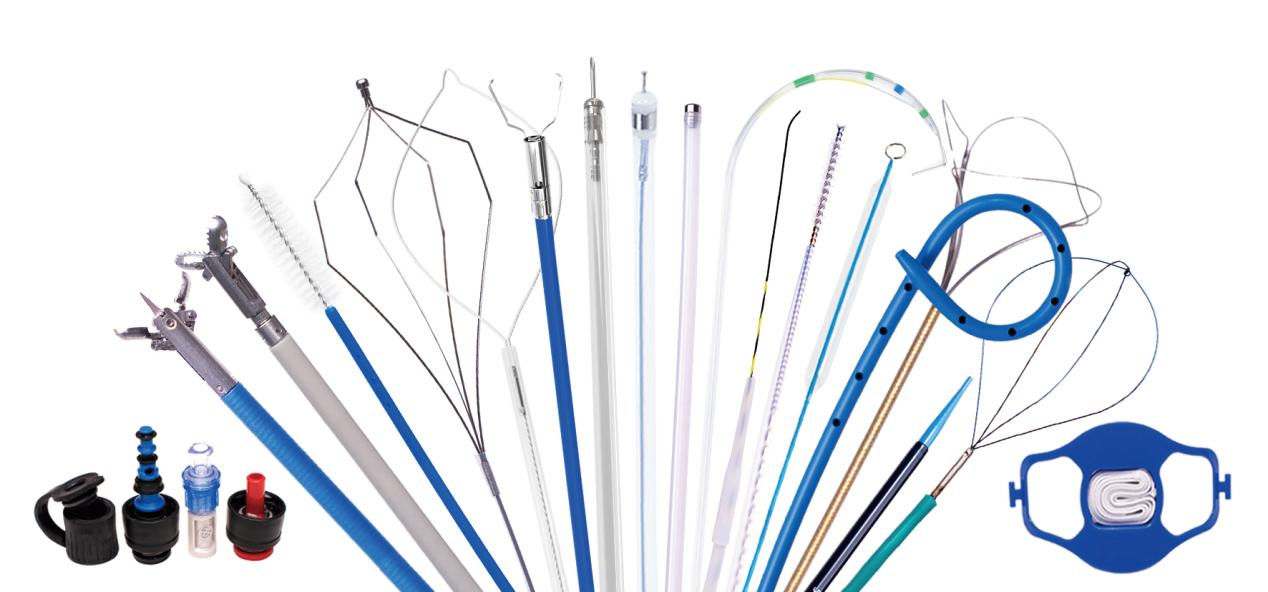
We, Jiangxi Zhuoruihua Medical Instrument Co.,Ltd., is a manufacturer in China specializing in the endoscopic consumables, include GI line such as biopsy forceps, hemoclip, polyp snare, sclerotherapy needle, spray catheter, cytology brushes, guidewire, stone retrieval basket, nasal biliary drainage cathete etc. which are widely used in EMR, ESD, ERCP. Our products are CE certified and with FDA 510K approval, and our plants are ISO certified. Our goods have been exported to Europe, North America, Middle East and part of Asia, and widely obtains the customer of the recognition and praise!
Post time: Dec-20-2025